📅 Weekly Restock Routines
Establish simple maintenance systems that keep your coffee and tea supplies fresh and ready. Never run out of your favorites again with our thoughtful restock strategies.
Get Started
Establish simple maintenance systems that keep your coffee and tea supplies fresh and ready. Never run out of your favorites again with our thoughtful restock strategies.
Get Started
There's nothing quite like reaching for your favorite morning tea only to discover the tin is empty. Or realizing mid-week that your coffee supply has run dry. These small disruptions can derail your carefully cultivated morning rituals and add unnecessary stress to your day.
A weekly restock routine eliminates these frustrations. It's not about rigidity—it's about creating enough structure that your beverage supplies maintain themselves with minimal mental effort, leaving you free to enjoy your rituals rather than manage them.
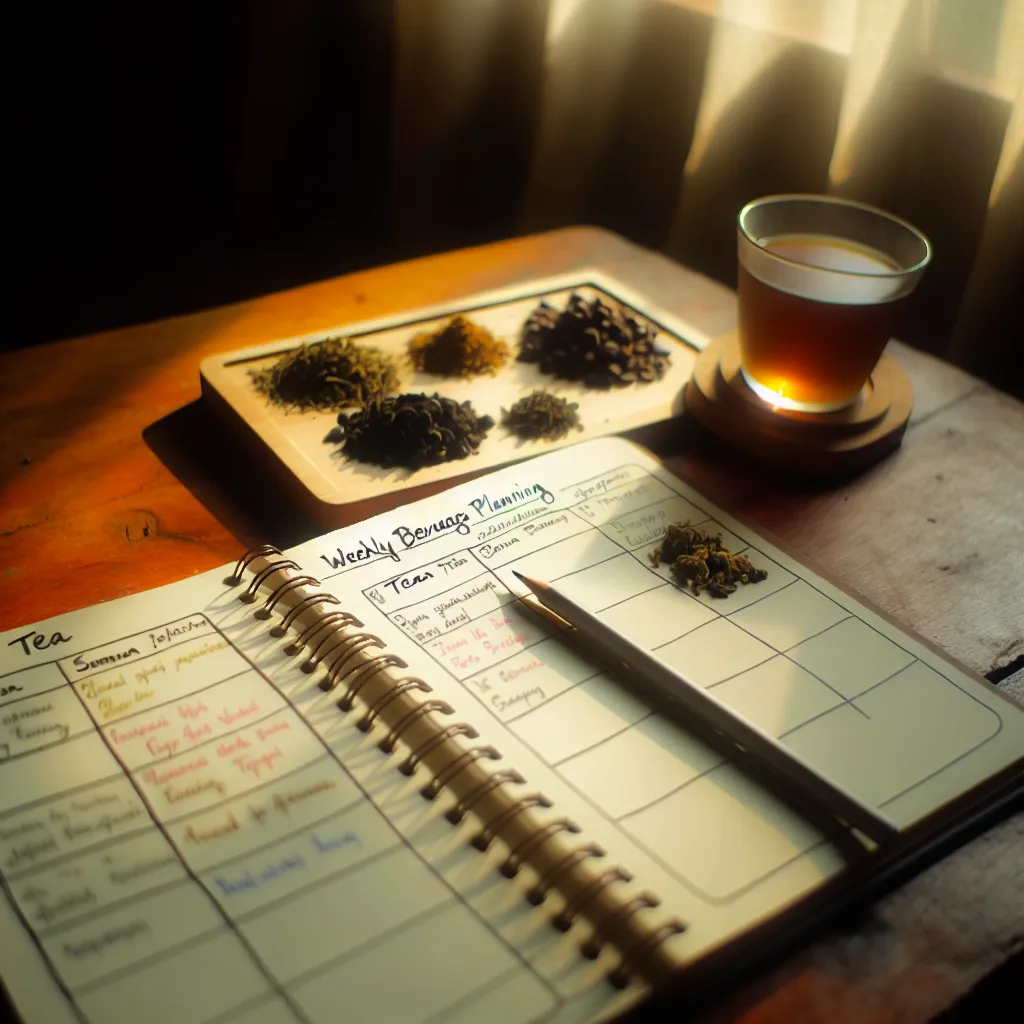

Dedicate 15 minutes each Sunday to check and refresh your beverage station. This weekly touchpoint keeps everything flowing smoothly.
The key to sustainable restocking is making it automatic. Keep a running shopping list in your kitchen—whether on a chalkboard, in a phone app, or on a notepad attached to your fridge. When you open the last package of something, add it to the list immediately. This eliminates the mental burden of trying to remember what you need.
Establish trigger points: when you're down to one backup of your daily coffee, it's time to reorder. When your tea tin is half-empty, add it to the shopping list. These visual cues make restocking intuitive rather than requiring constant inventory checks.
Once a month, go deeper than your weekly routine with a comprehensive inventory and refresh.
Buying in bulk can save money, but only if you use it before it goes stale. Coffee stays fresh for about 2-4 weeks after opening; tea lasts longer but still degrades. Buy quantities that match your actual consumption rate, not aspirational amounts.
Consider keeping a "backup shelf" separate from your active display. This holds unopened packages that will rotate into use as current items finish. It provides security against running out while preventing the cluttered look of excessive stock on display shelves.

Your beverage preferences likely shift with the seasons. Heavy, spiced teas feel perfect in winter but overwhelming in summer. Light, iced coffee varieties shine in warm months but seem lacking when it's cold outside.
Use your monthly deep check to plan seasonal transitions. In autumn, gradually introduce warming spices and darker roasts. In spring, bring in lighter blends and herbal options. This keeps your collection fresh and aligned with what you actually want to drink, reducing waste and increasing enjoyment.
Even with perfect restocking, freshness requires attention. Store coffee in airtight containers away from light, heat, and moisture. Keep tea in similar conditions—many teas benefit from being separated from strong-smelling items as they absorb odors easily.
Label everything with the date you opened it. This removes guesswork about freshness and helps you identify consumption patterns. You might discover you drink certain teas faster than you thought, or that some varieties consistently go stale before finishing—valuable information for adjusting future purchases.
Establish Your Restock Routine